
Case Studies
Valere Care: Making Personalized Healthcare Simpler and More Accessible
A patient-facing telemedicine application built on the Valere Velvate design system, engineered specifically for users experiencing digital healthcare for the very first time in Bangladesh.
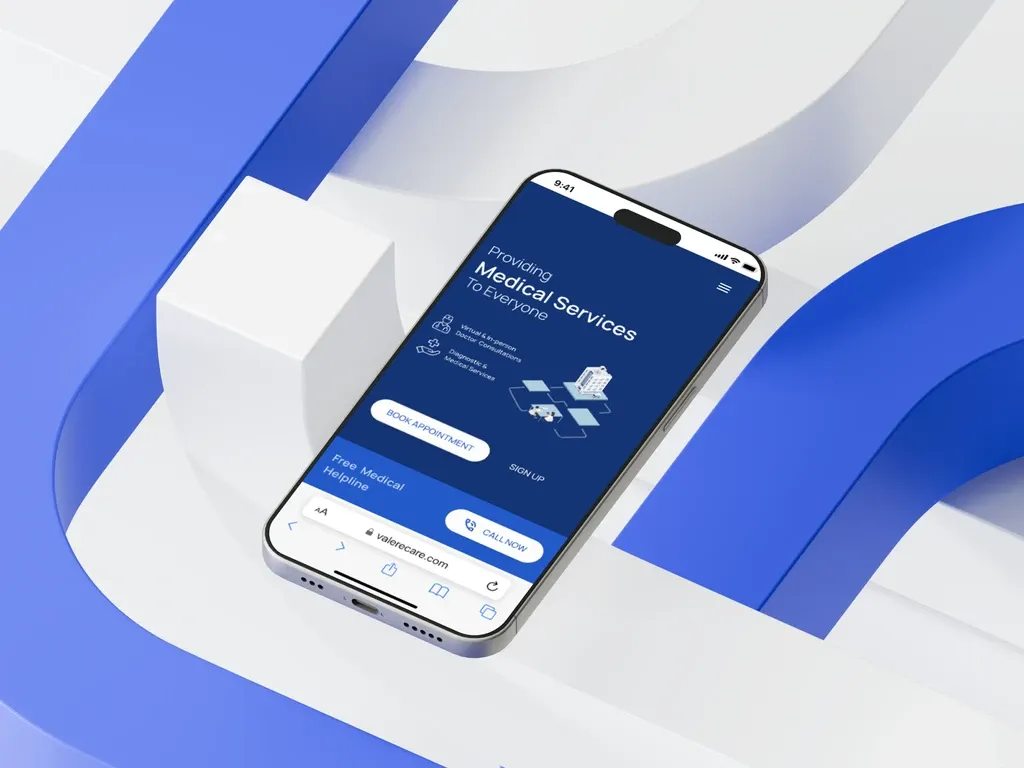
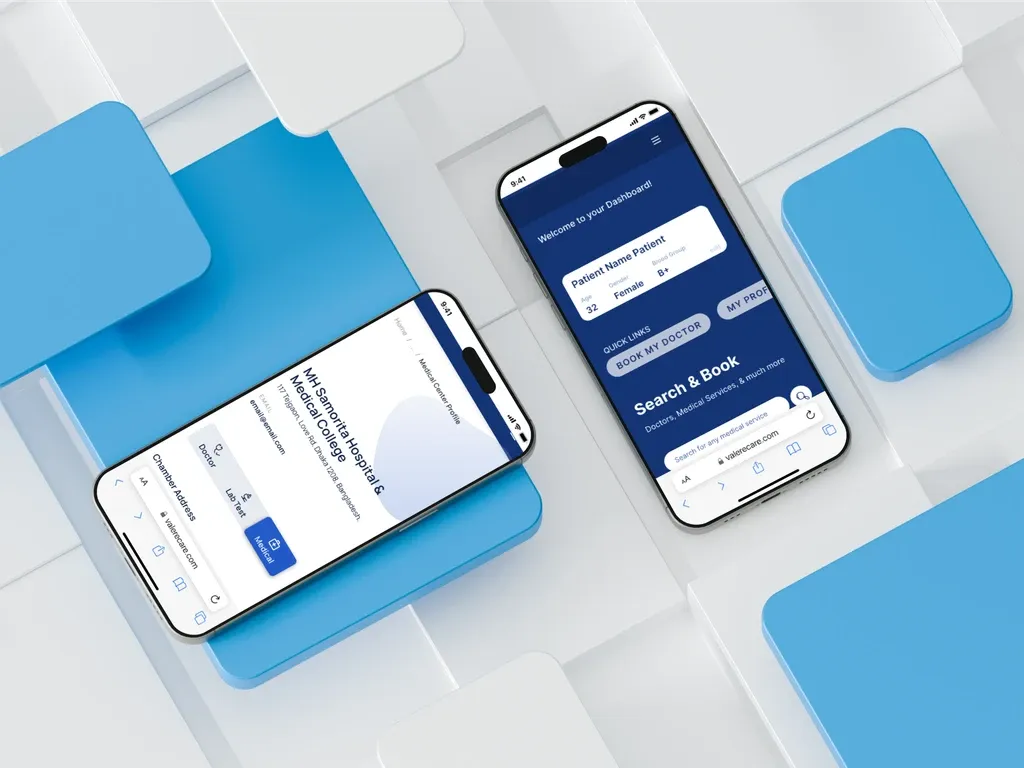
Valere Care is a comprehensive, patient-facing telemedicine platform built as the flagship companion product to Valere Velvate, our foundational design system. Developed over an extensive 8-month lifecycle, the application bridges the accessibility gap for regional patients—many of whom are opening a digital health tool for the very first time. By replacing western-centric minimal design patterns with hyper-accessible layouts, explicit next-step guidance, and deeply embedded credibility signals, Valere Care successfully introduces remote healthcare, digital prescriptions, and unified personal care records to emerging demographics.
Client
Valere Healthcare
Year
2022
Tools
Figma, Miro
Platforms
Web Application & Cross-Platform Responsive Interface
Challenge:
Most global telemedicine products operate on a core assumption: that the user has navigated dozens of similar apps before, making icon-only navigation, hidden menus, and minimalist design intuitive. This assumption entirely broke down for Valere's target audience in Bangladesh:
The Digital Literacy Gap: Core actions—such as booking a consultation slot, uploading medical history, or managing remote prescriptions—were not self-explanatory to first-time digital users.
The Remote Trust Deficit: Patients harbor deep skepticism toward remote medical diagnoses. Without physical face-to-face interaction, users required powerful, immediate credibility signals before trusting an unseen physician.
Fragmented Historical Records: Patients previously lacked a centralized repository, leaving their medical history scattered across random text messages, lost papers, and memory.
Project goal:
The primary objectives of the 8-month product initiative were:
Discovery:
Initial user research and field interviews uncovered a vital philosophical reality: Designing for "the second time someone uses telemedicine" is an entirely different discipline than designing for the first. We had to build exclusively for the first-time user.
Core Behavioral Finding: Efficiency optimization (fewer clicks) actually harms adoption if the user doesn't understand what they are clicking. Explicit text labels, descriptive buttons, and reassuring micro-copy trumped minimalist icons every time.
Design Strategy: Every single screen had to answer two silent user questions: "Where am I right now?" and "What happens the exact second I press this button?"
Process:
Spanning 8 intensive months, the design and development execution followed a systematic, user-centered product lifecycle:
Problem:
The underlying architectural and UX problem centered on managing user anxiety and cognitive friction. Western telemedicine apps hide system statuses to keep layouts clean. Valere Care had to do the exact opposite: over-communicate status changes, clearly display doctor credentials up front, and replace abstract symbols with unambiguous text labels. The product challenge was proving that a healthcare app could remain profoundly simple and welcoming without feeling condescending or cluttered.
Final Design:
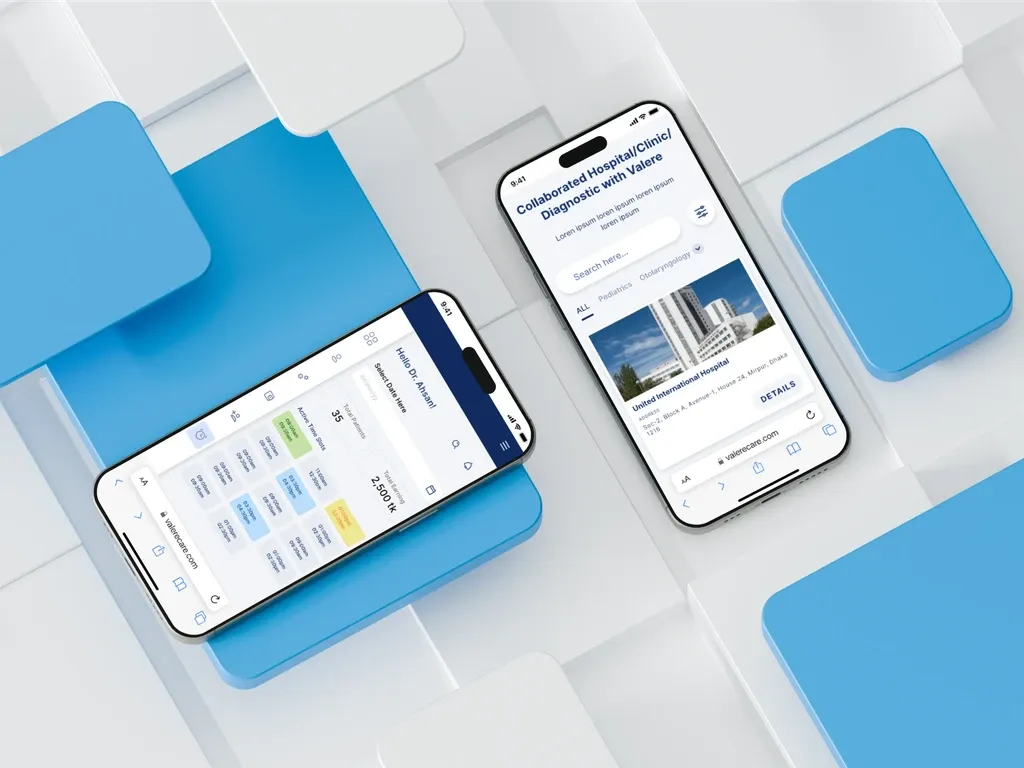
The finalized Valere Care platform features a suite of patient-centric capabilities built directly on top of the Valere Velvate design system:
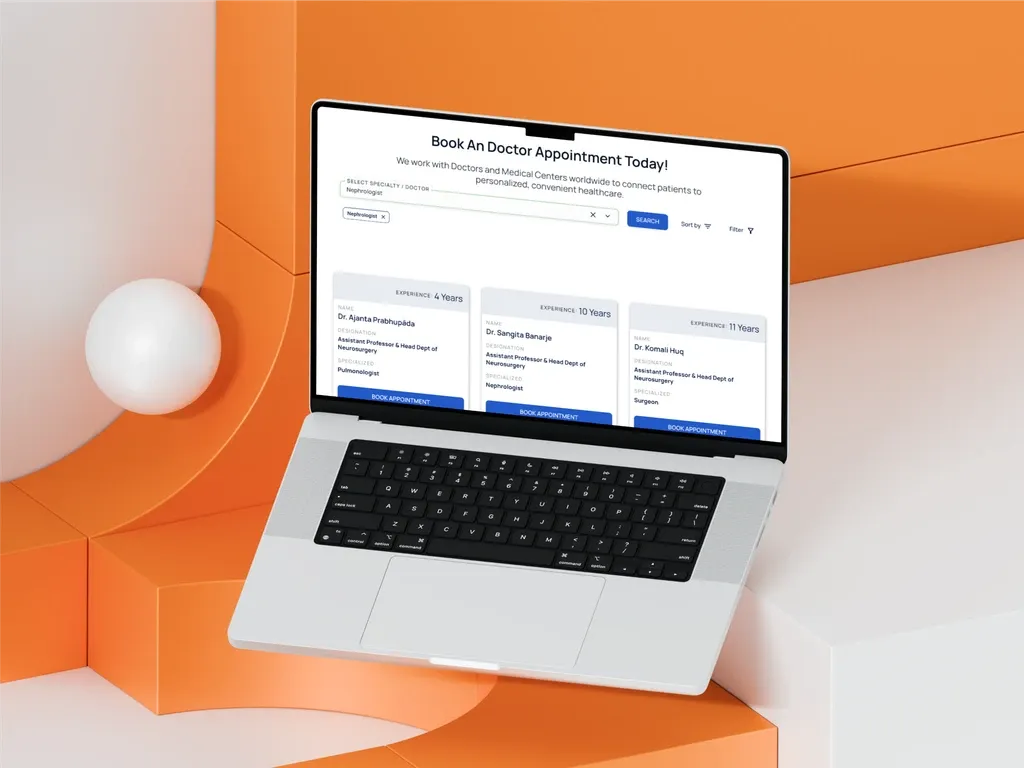
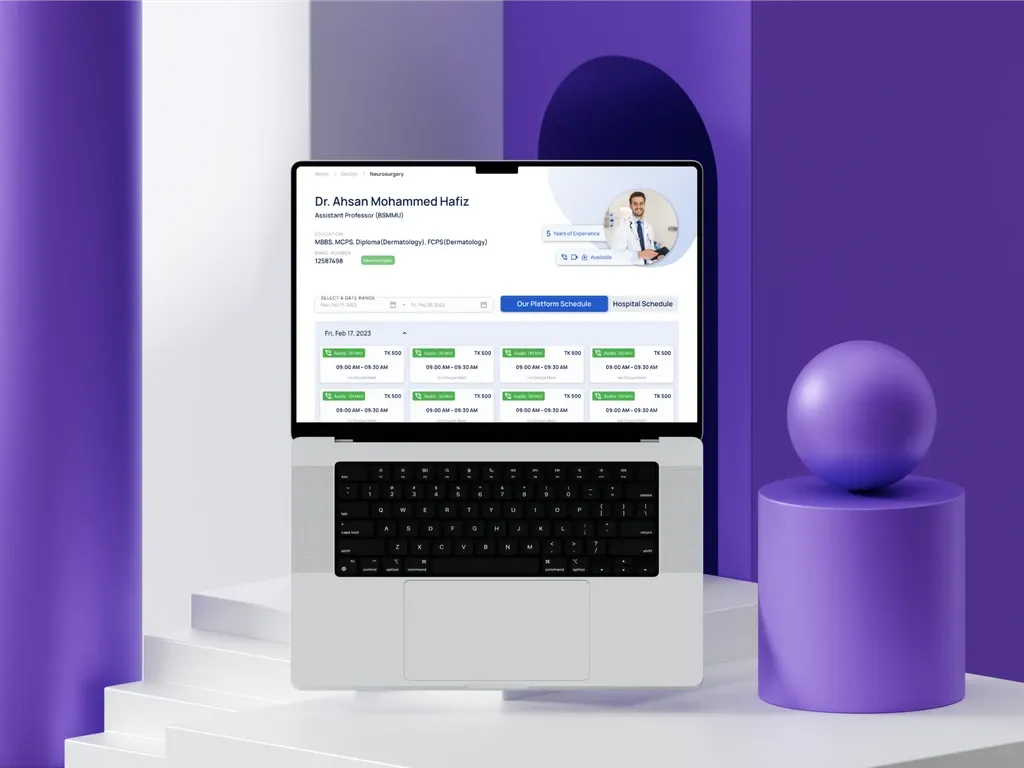
Enhanced Doctor Profiles: Comprehensive credentials, verified qualifications, professional photos, and clear specialization details so choosing a physician feels safe and informed rather than a blind guess.
Guided Appointment Booking: Step-by-step calendar scheduling with explicit time slots and plain-language appointment descriptions, eliminating any ambiguity about the next phase of care.
Secure Virtual Consultations: A resilient, face-to-face video interface optimized for variable regional bandwidths, structured to feel like a comfortable clinic visit.
Direct Digital Prescriptions: Secure prescription routing delivered straight to the patient’s preferred local pharmacy, removing the cumbersome manual pickup friction that usually ruins the telemedicine promise.
Unified Patient Portal: A centralized, long-term health record housing past consultations, diagnostic notes, and active prescriptions in one accessible location.
Impact:
Adherence & Adoption: Successfully onboarded thousands of first-time digital health users, proving that accessible UX design dramatically lowers the barrier to entry for regional healthcare.
Fulfillment Rates: Achieved high digital prescription fulfillment rates by streamlining the communication bridge between remote doctors and local pharmacies.
Patient Satisfaction: Recorded high user satisfaction scores, with patients explicitly highlighting the ease of booking and the reassuring presence of clear doctor credentials.
Learning:
Credibility Before Efficiency: When designing for emerging digital markets, trust and clarity must be baked into the foundational UI from the very first screen. Prioritizing explicit next-step guidance and professional verification drives long-term adoption much faster than raw efficiency optimizations ever could.
The Power of Design Systems: Building Valere Care on top of the Valere Velvate design system proved that component-driven architecture accelerates development while guaranteeing accessibility standards across multi-month product rollouts.
Conclusion:
Valere Care successfully demonstrates that modern telemedicine does not need to copy Western UX trends to succeed. By respecting the unique needs of first-time digital users and grounding every interaction in radical clarity, trust, and system consistency via Valere Velvate, the platform unlocked accessible, high-quality healthcare for an entirely new generation of patients.
EV Infrastructure
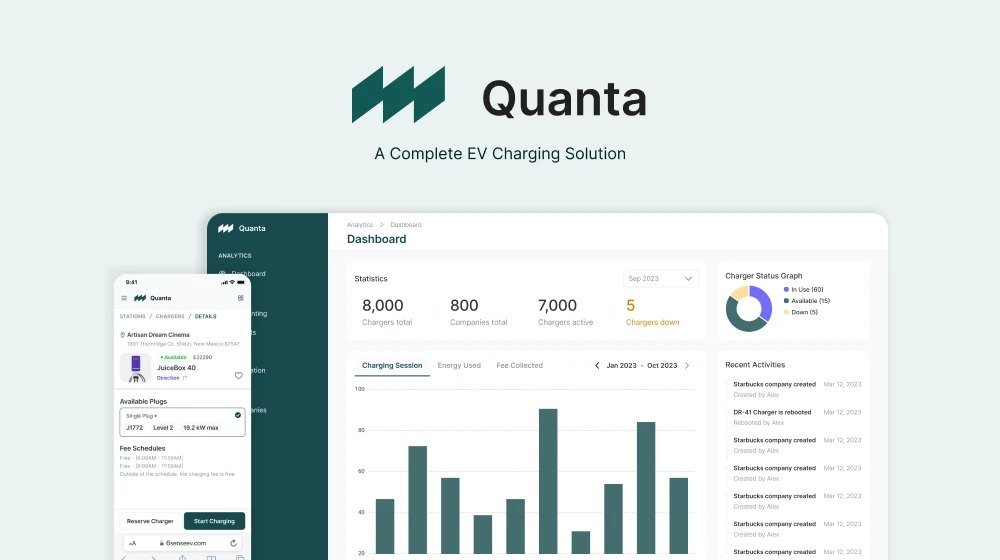
Quanta
A complete EV charging solution for operators managing thousands of chargers.
Real Estate Marketplace
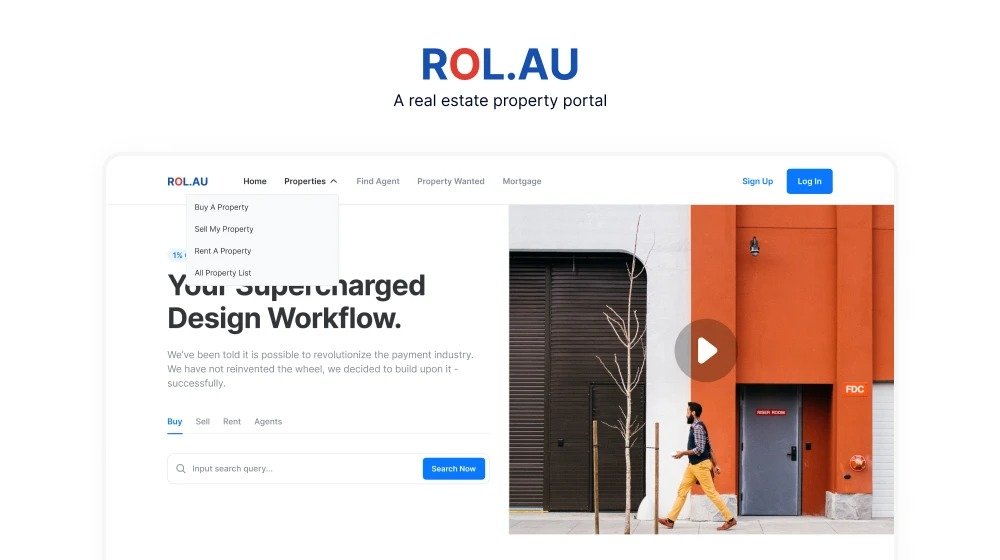
ROL.AU
A real estate property portal for buyers, sellers, renters, and agents.